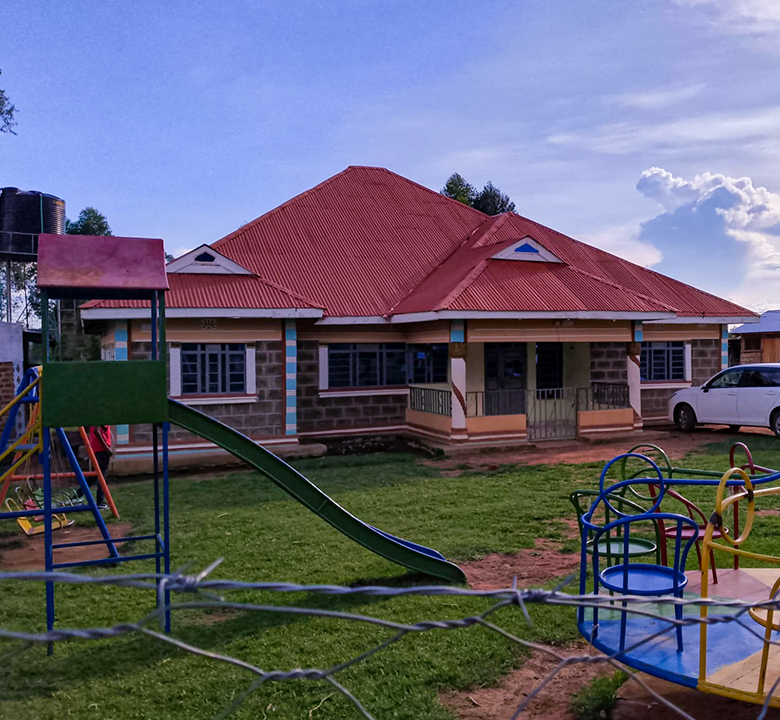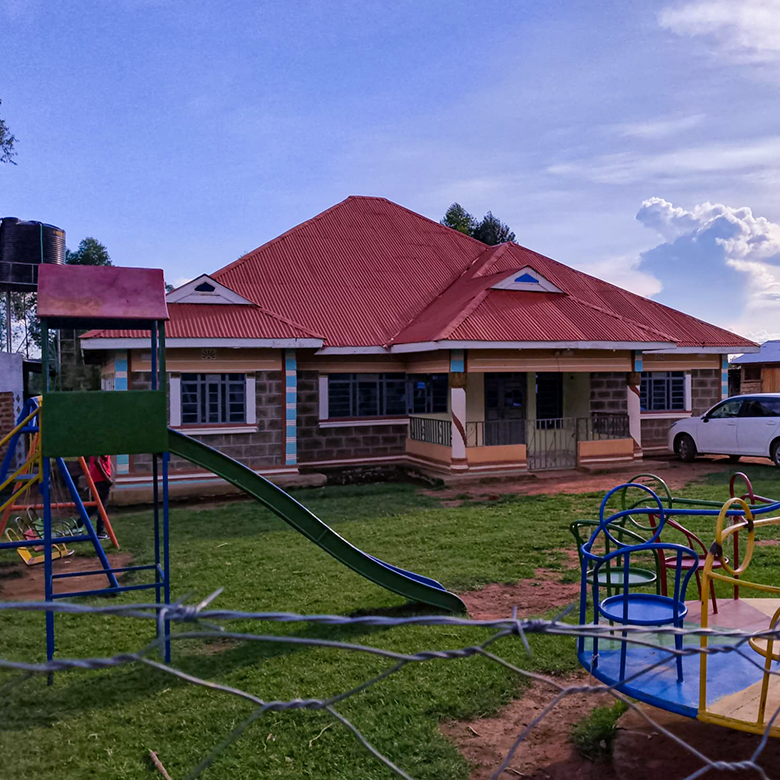
The Tabitha Safe House Story
April 15, 2020PUNISH THE CRIME BUT QUIETLY PROTECT THE CHILD
The Hidden Victims of Incarceration
When a person is sent to prison, the punishment does not stop at the prison gate. It ripples through families, homes, and entire communities. At Positive Reestablishment After Jail (PRJ) CBO, we work with a painful truth many people overlook: the families of prisoners—especially their children—become silent victims of the justice system.
Children of incarcerated parents often fall through the cracks. They are rarely considered in criminal justice processes, and too often they are forgotten by charitable organizations and social service agencies. While their parent serves a sentence, these children face emotional trauma, social stigma, and economic hardship—without any structured support to help them cope.
The consequences are devastating.
Many of these children struggle with severe mental health challenges, including anxiety, depression, and trauma. Without stable care, some slip into poverty and homelessness. Others are forced to leave school, leading to high dropout rates, early marriage, and teenage pregnancy. In the absence of guidance and protection, some become vulnerable to radicalization, criminal activity, or recruitment into violent and extremist groups, perpetuating a painful cycle that traps generations in hardship.
These are not just unfortunate outcomes—they are violations of children’s rights. Every child has the right to safety, education, healthcare, dignity, and a hopeful future. Yet children of incarcerated parents are often denied these basic rights simply because of a situation they did not choose and cannot control.
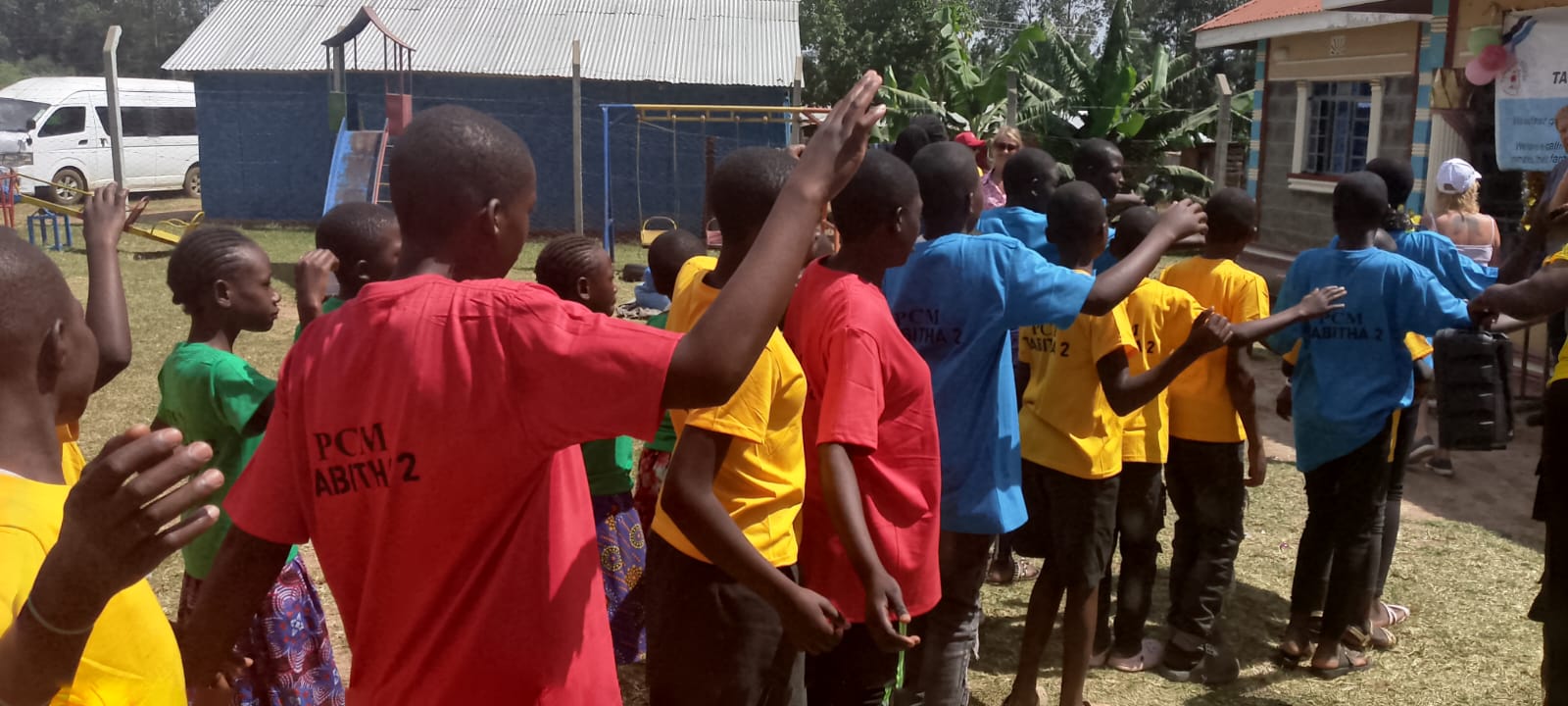
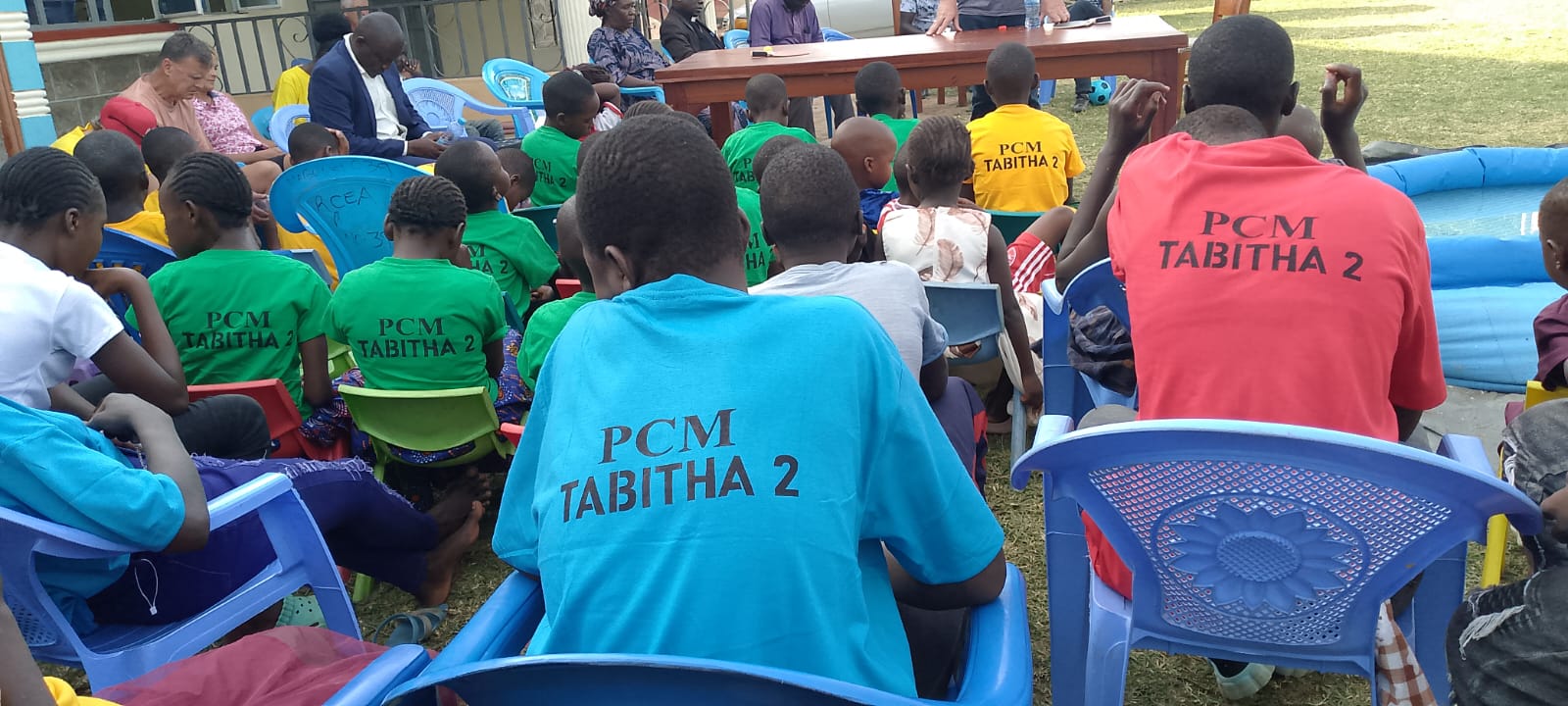
That is why Positive Reestablishment After Jail exists.We believe that justice must include restoration—not only for those who have served time, but also for the families they leave behind. By supporting children of prisoners through education, psychosocial care, advocacy, and community reintegration, we are helping to break cycles of stigma, trauma, and exclusion.When we invest in these children, we are not just helping individuals—we are building safer, healthier, and more resilient communities.